
Buying hockey protective gear is easier when you start with fit, coverage and the level of play you actually need. A comfortable setup should protect the areas most likely to take contact without restricting your skating or stickhandling. Use this fit-first guide to compare the essentials before you buy.
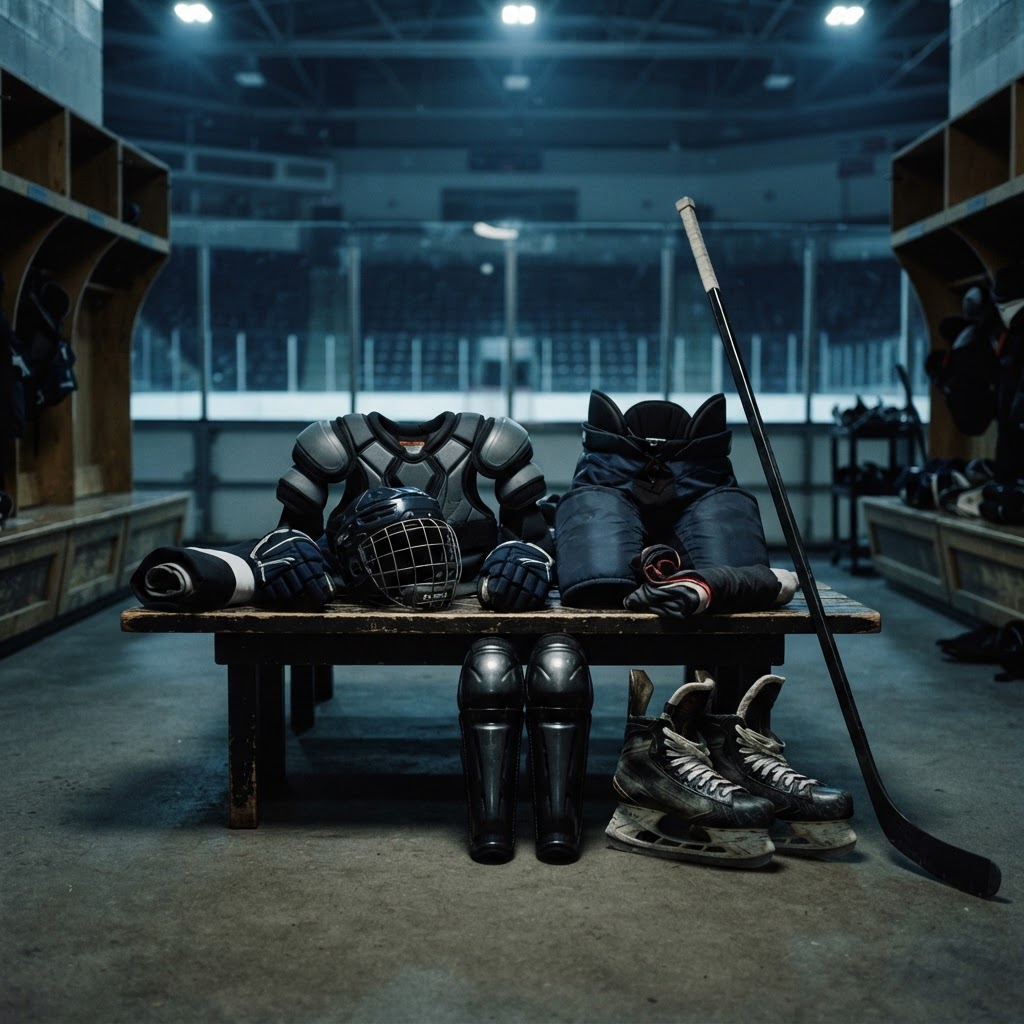
Start with a certified, well-fitting helmet
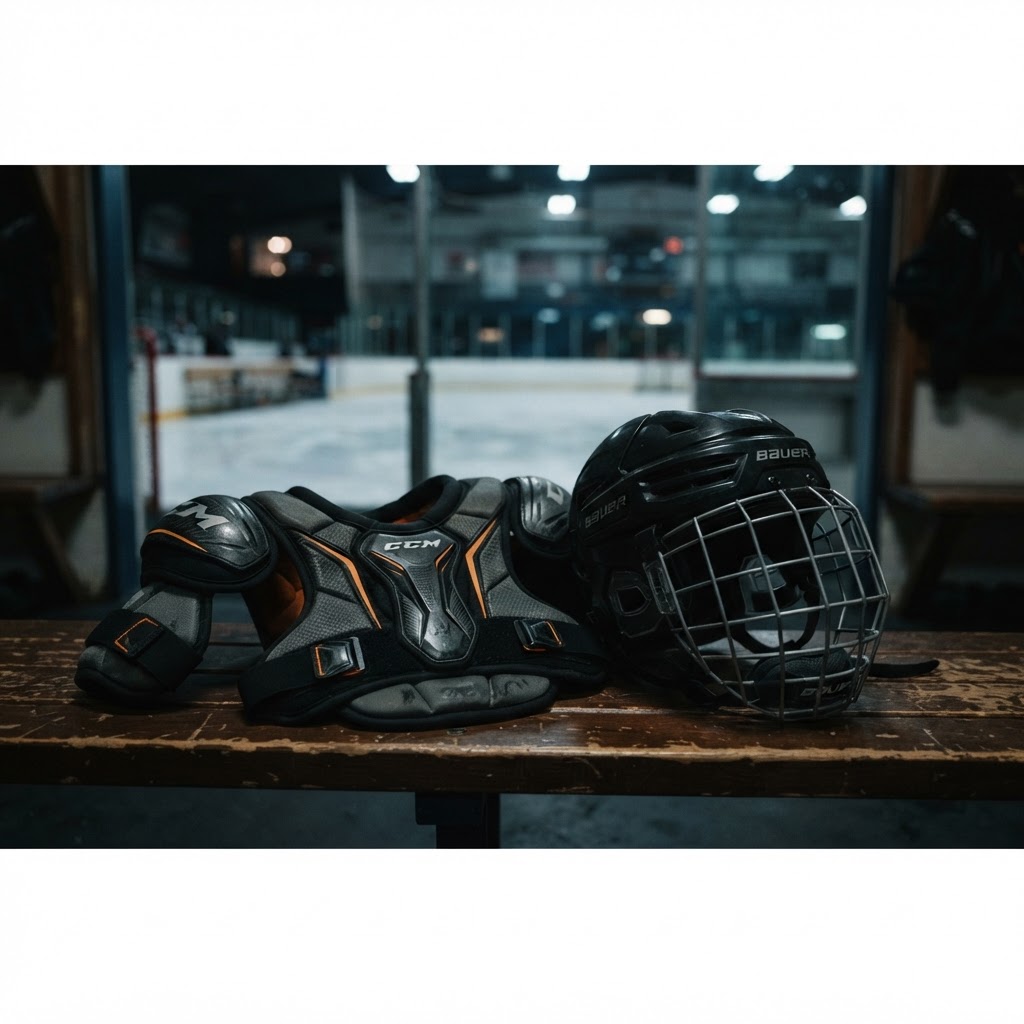
Your helmet should sit level, feel snug without pressure points and stay in place when you move your head. Check that the certification is appropriate for your league and that the chin strap and cage or visor fit securely. Replace damaged equipment and follow the manufacturer’s service-life guidance. Compare a hockey helmet with cage by fit system, certification and compatibility, not appearance alone.
Shoulder pads: mobility with coverage
Shoulder pads should cover the shoulders and upper chest while allowing full arm movement. Put them on with your base layer and try reaching forward, rotating and raising your arms. The front and back panels should remain in place. Browse senior hockey shoulder pads and compare sizing charts before ordering.
Gloves and shin guards: protect contact zones
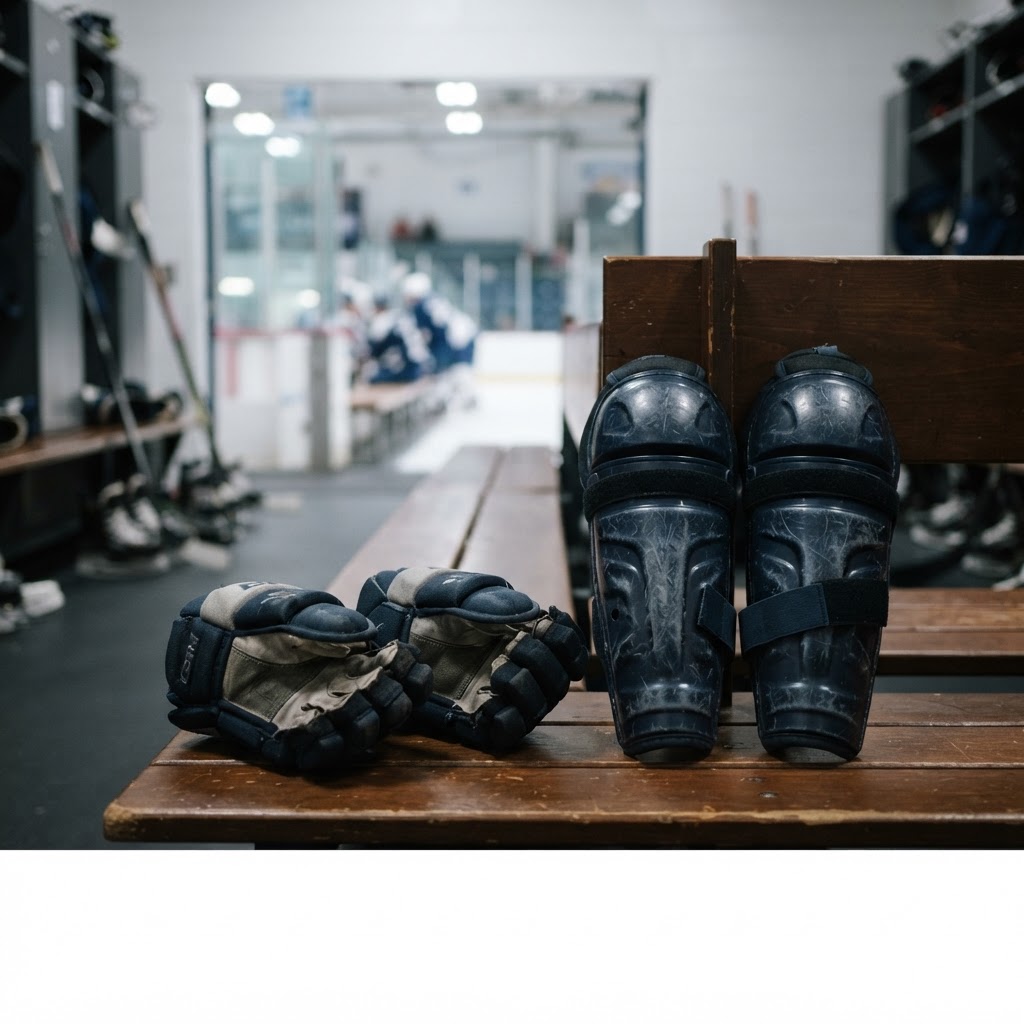
Gloves should protect the fingers and wrist while letting you grip the stick comfortably. Shin guards need to cover the knee and shin and stay centered when you skate; check how they meet your skates and pants. Shop ice hockey gloves and hockey shin guards, then test them together if possible.
Skates and base layers complete the fit
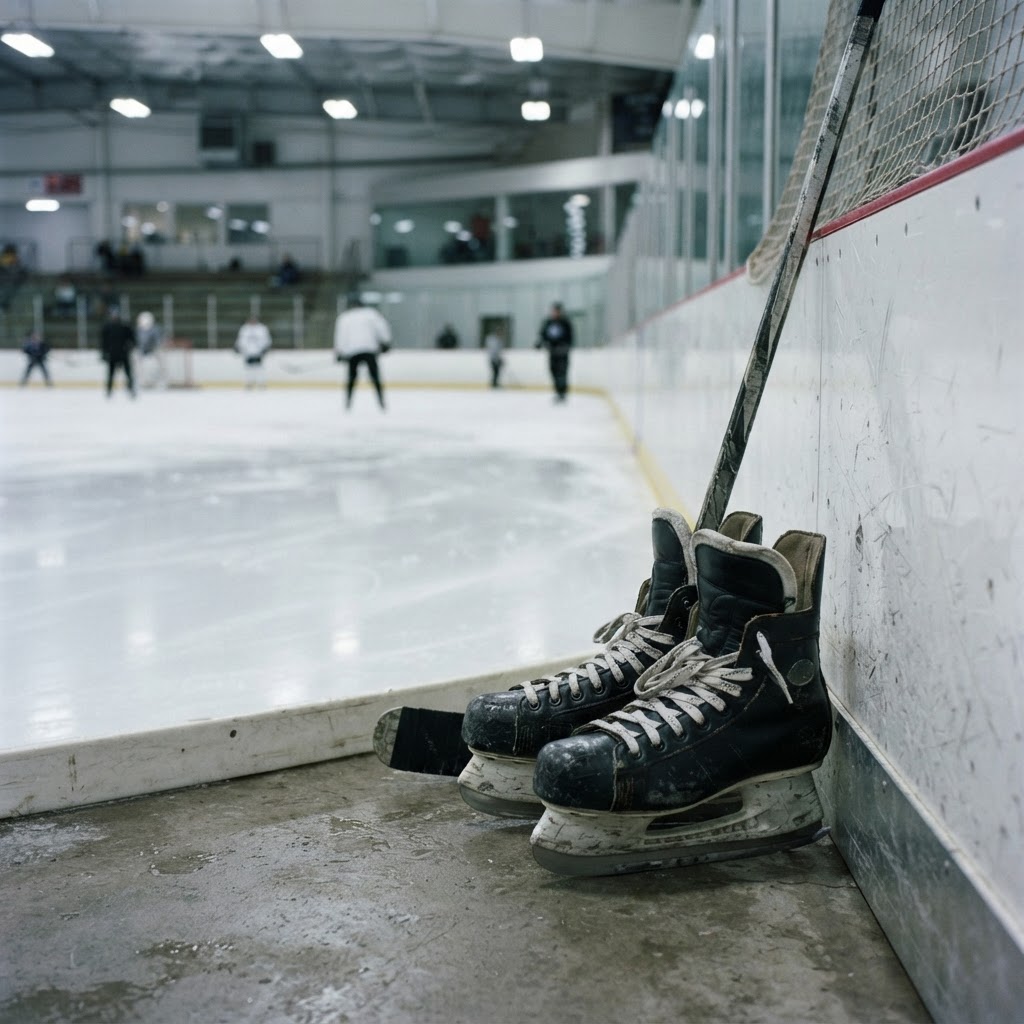
Skates should hold the heel securely without painful pressure, with enough toe room for your skating stance. Because sizing differs by model, use the maker’s fit guide and seek a professional fitting when available. A moisture-wicking hockey protective base layer can help keep pads in place and improve comfort. Compare ice hockey skates for fit and support rather than assuming your shoe size transfers directly.
Before you buy: a quick fit check
- Wear the socks and base layer you use for hockey.
- Check overlap between helmet, shoulder pads, pants, shin guards and skates.
- Move through a skating stance, squat, reach and stickhandle to spot restrictions.
- Follow your league’s equipment rules and each manufacturer’s care instructions.
- Replace cracked, altered or poorly fitting protective gear.
The best hockey gear is the set that fits your body, suits your level of play and lets you move confidently. Prioritize correct sizing and coverage, then compare features and price across reputable sellers.
Affiliate disclosure: As an Amazon Associate, Big Carl’s Hockey may earn from qualifying purchases made through links in this article, at no additional cost to you.
Leave a Reply