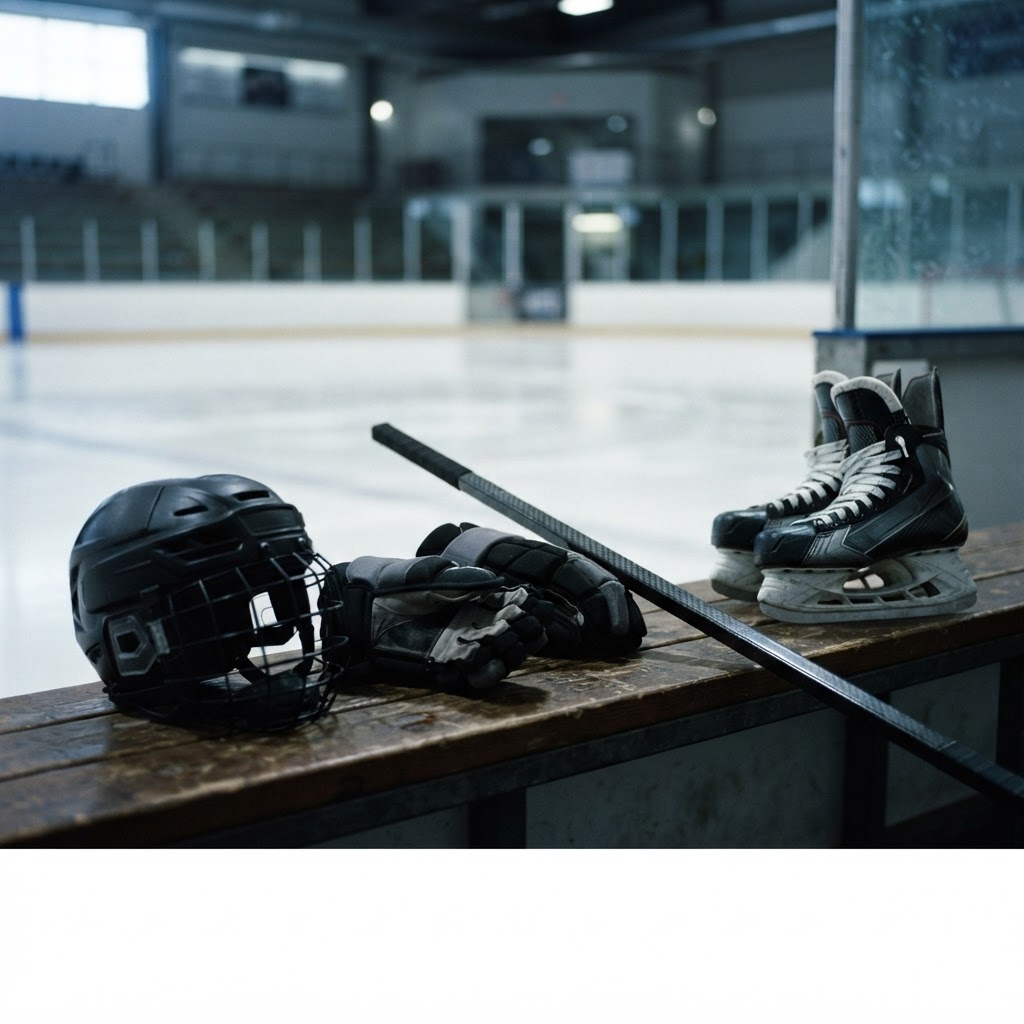
Choosing hockey equipment can feel complicated, especially when product descriptions lean on weight, protection, and performance claims that are hard to compare. The best hockey gear buying guide starts with fit, your level of play, and the rules of your league. Use this checklist to prioritize the essentials before spending on upgrades.
Start with fit, not the price tag
Protective equipment should fit securely without restricting normal skating or stickhandling. Sizing differs by manufacturer, so use each brand’s current chart and, when possible, try gear on with the layers you actually wear. For children, avoid buying oversized protective equipment with the assumption they will grow into it. Check your league’s requirements and inspect used gear for cracks, damaged straps, and compromised padding.
Helmet and shoulder pads: protection comes first

A helmet should sit level, feel snug, and stay in place when you move your head. Follow the manufacturer’s fitting and replacement guidance, and confirm that the helmet meets the certification rules applicable to your league. Shoulder pads should cover the intended areas while allowing a full range of motion. Pay attention to comfort at the collar and under the arms, where poor fit can become distracting during a game.
Browse options: Hockey helmet and Hockey shoulder pads.
Skates: fit affects comfort and control
Hockey skates should hold the heel firmly and support the foot without painful pressure points. Foot shape and boot construction vary, so do not rely on shoe size alone. If possible, get fitted by a knowledgeable shop and ask about heat molding only when the skate manufacturer permits it. Keep blades sharpened to the hollow recommended for your experience and ice conditions.
Gloves, shin guards, and stick
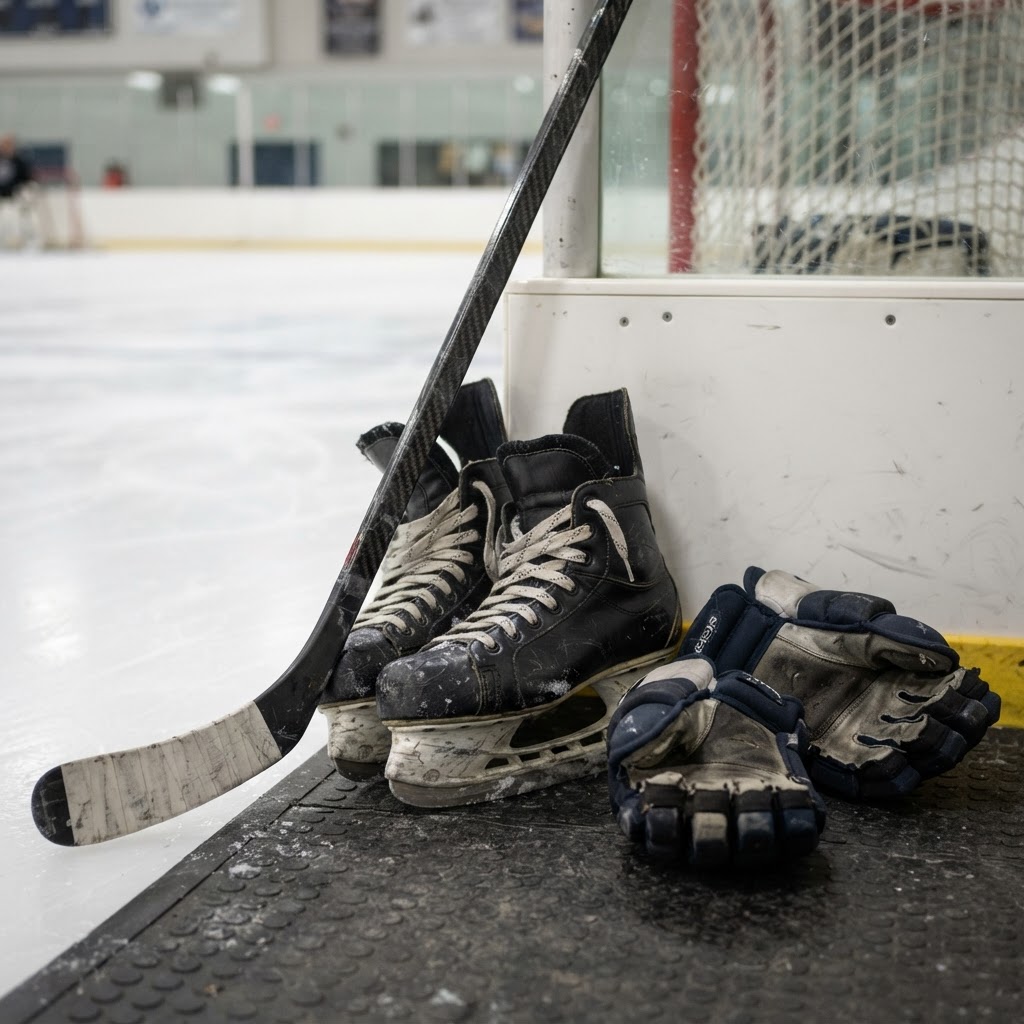
Gloves should protect the hand while letting you grip and release the stick comfortably. Shin guards need to cover the knee and lower leg when worn with your hockey socks. For a stick, consider player height, position, flex, and the league’s equipment rules; flex is a personal preference, not a shortcut to better shooting. Ask a coach or experienced fitter before making a major change.
Compare Hockey gloves, Hockey skates, Composite hockey stick, and Hockey shin guards.
A sensible order for buying hockey gear
- Confirm league rules and required certification.
- Prioritize a correctly fitted helmet and protective equipment.
- Get skates fitted for secure heel hold and comfort.
- Choose gloves, shin guards, and a stick based on fit and play style.
- Set aside budget for maintenance, replacement tape, and sharpening.
Before ordering, verify the exact size, return policy, included accessories, and current product specifications on the retailer’s listing. Product availability and prices can change.
Bottom line
The right hockey equipment is the gear that fits properly, meets your league’s standards, and lets you move confidently. Invest first in fit and protection, then consider performance upgrades once you know what feels comfortable on the ice.
Affiliate disclosure: This article contains affiliate links. If you buy through them, Big Carl’s Hockey may earn a commission at no additional cost to you.
Leave a Reply