Disclosure: Big Carl’s Hockey participates in the Amazon Associates Program. As an Amazon Associate, we earn from qualifying purchases. Prices and availability can change.
Buying your first set of hockey gear can feel like learning a new position: there are a lot of terms, sizes, and opinions flying around. The good news is that recreational players do not need the most expensive equipment in every category. You need gear that fits correctly, protects the areas that take contact, and works for the way you actually play.
What to buy first
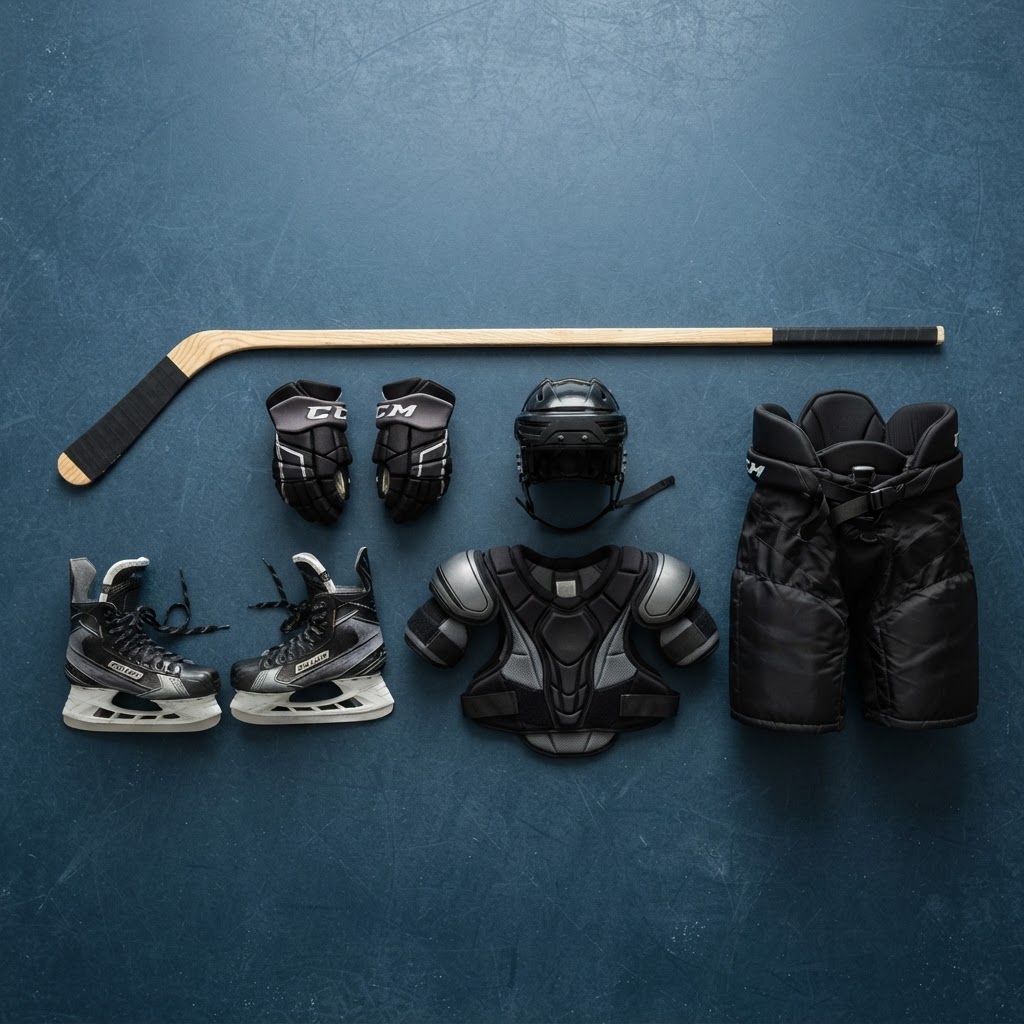
For a complete starter setup, prioritize a certified hockey helmet with cage, hockey skates, shoulder pads, elbow pads, hockey gloves, hockey pants, shin guards, socks, and a stick. Add a mouthguard if your league or personal preference calls for one. A good hockey equipment bag is not glamorous, but it makes transporting and drying everything much easier.
Helmet and cage: your first safety priority
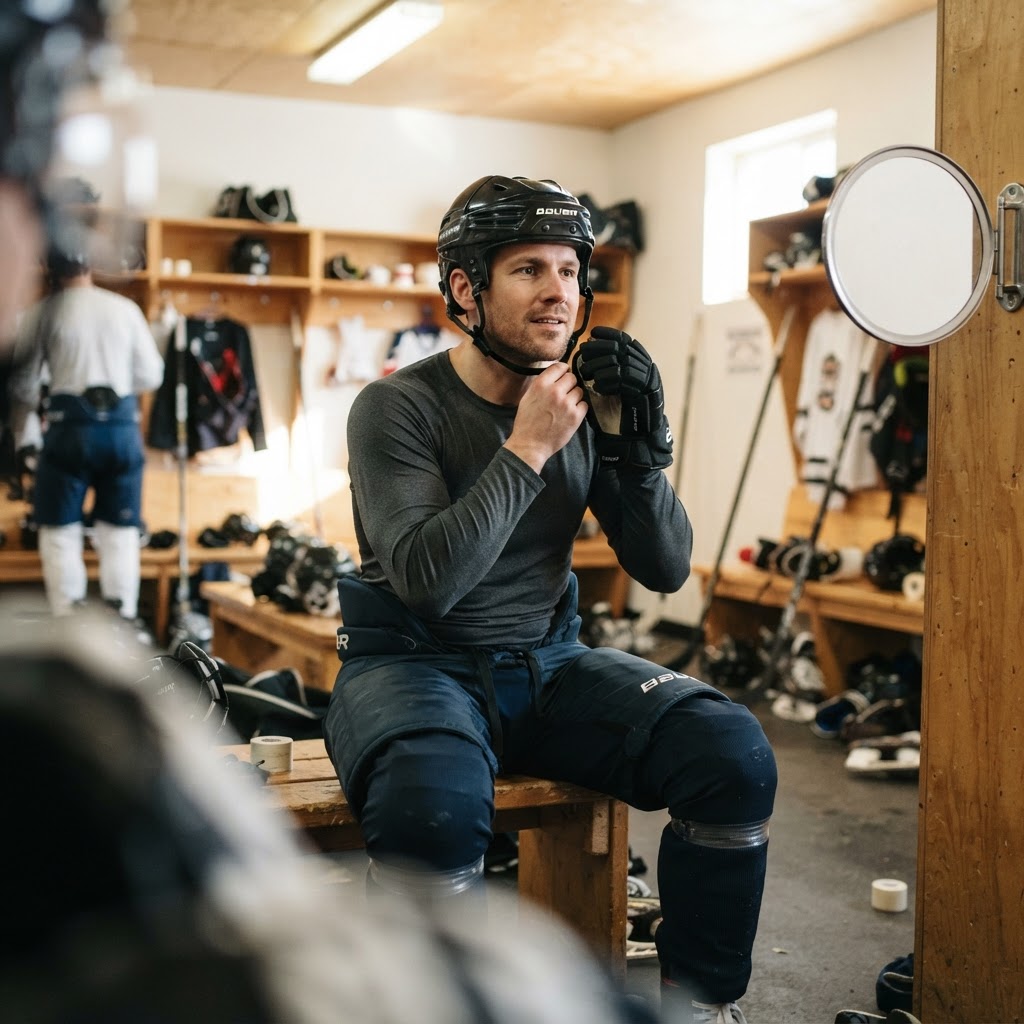
Choose a helmet that is certified for hockey and fits snugly without creating pressure points. It should sit level on your head, with minimal movement when you shake your head. Follow the manufacturer’s adjustment instructions, and replace a helmet after a significant impact or when it can no longer be adjusted securely. A cage should sit close enough to protect your face without touching your chin.
Skates: comfort, support, and sharpening
Skates should hold your heel firmly while allowing your toes to lightly brush the front when standing. Hockey skates are not running shoes, so expect a close, supportive fit—but numbness or sharp pain is a sign to stop and reassess the size or model. Have new skates professionally sharpened before the first session, and dry the boot and blades after every use.
Protection that should fit—not fight you
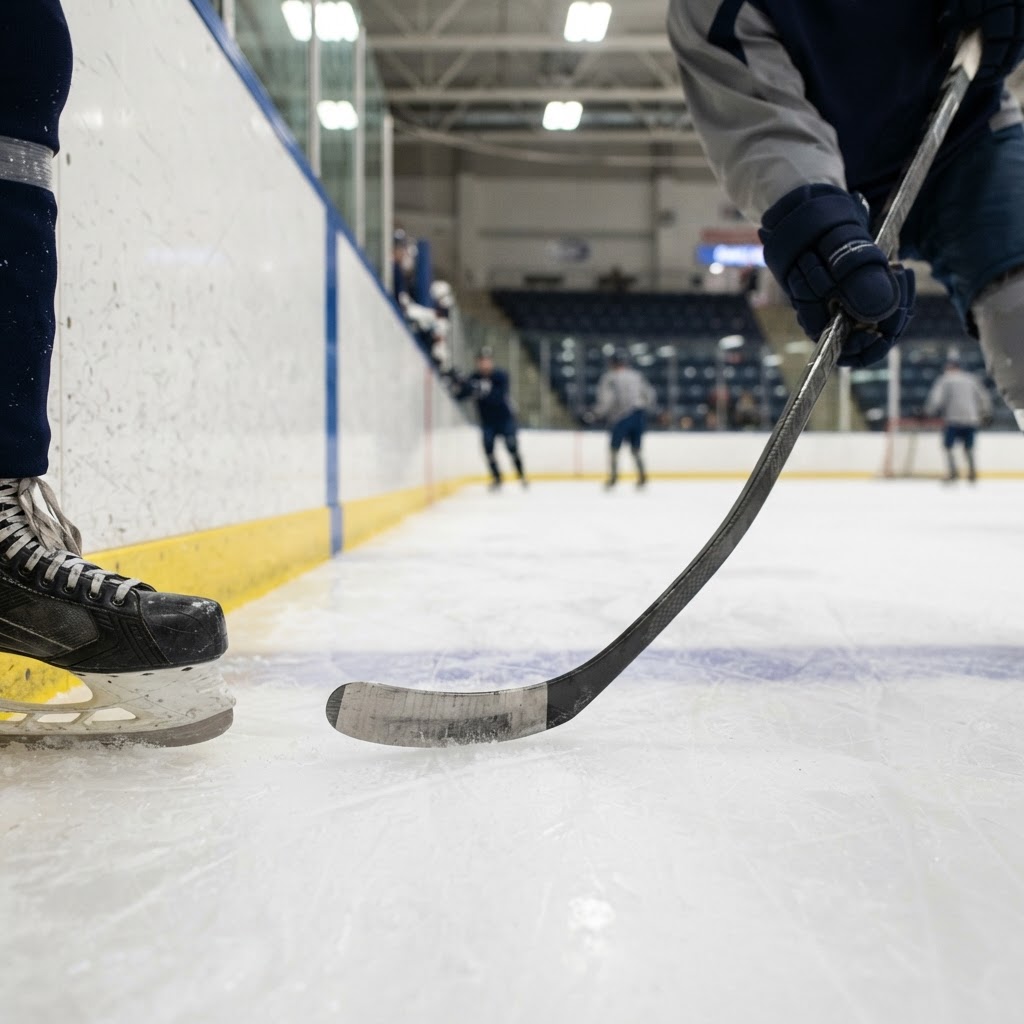
Shoulder pads should cover the shoulders and upper chest without restricting your stride. Elbow pads should stay in place when you bend your arm, and shin guards should overlap your skate tongue. Hockey pants should cover the hips and kidneys while allowing a full skating stance. Try the pieces together if possible: gaps between pads are where discomfort and bruises tend to show up.
Picking your first stick
For a beginner, the right stick is usually the one that feels manageable. Stick length, flex, handedness, and curve all matter, but you do not need to obsess over advanced kick-point marketing. A lower flex number is easier to load for many smaller or less powerful players; stronger players may prefer more resistance. Start with a moderate flex and a curve you can control, then adjust after you have played several sessions.
How to save money without cutting corners
- Buy a new helmet and skates when possible, or have used versions inspected carefully.
- Used shoulder pads, pants, gloves, and shin guards can be excellent values if seams, straps, and padding are sound.
- Spend on fit and replace worn safety components before upgrading cosmetic features.
- Ask your league about rental gear, swap events, and local pro-shop fitting days.
Quick pre-game checklist
Before you leave for the rink, check that your helmet is secure, cage screws are tight, skate laces and holders are intact, straps are not torn, and your stick has no cracks. After the game, open the bag and air everything out instead of sealing damp gear inside. That small habit helps equipment last longer and keeps the locker-room smell from becoming a permanent teammate.
Bottom line: a properly fitted helmet, comfortable skates, complete protective coverage, and a controllable stick will take a new adult player much farther than premium branding alone. Build the kit around safety and fit first, then upgrade the pieces you use most.