Choosing a hockey stick is part feel, part fit, and part knowing which specifications actually matter for your game. A stick that is too long or too stiff can make puck handling and shooting harder, while an expensive model will not automatically improve your shot. This guide explains how to choose hockey stick flex, length, kick point, and blade pattern, with practical checks you can do before buying.

Start with the right stick length
Length is a useful first filter. In skates, a common starting point is a stick that reaches roughly the chin to nose when standing upright, though position, skating style, and personal preference matter. Defense players may prefer a little more reach for poke checks and point shots. Forwards often choose a slightly shorter stick for close puck control and quick releases. Treat these as starting points, not rules: test the stick in your normal stance if possible.
Remember that cutting a stick shorter makes it feel stiffer, while adding an extension can make it feel softer. Before trimming a new stick, hold it in skating posture with the blade flat. If you have to reach down uncomfortably or the blade tips up, reassess the length.
Understand flex without overthinking it
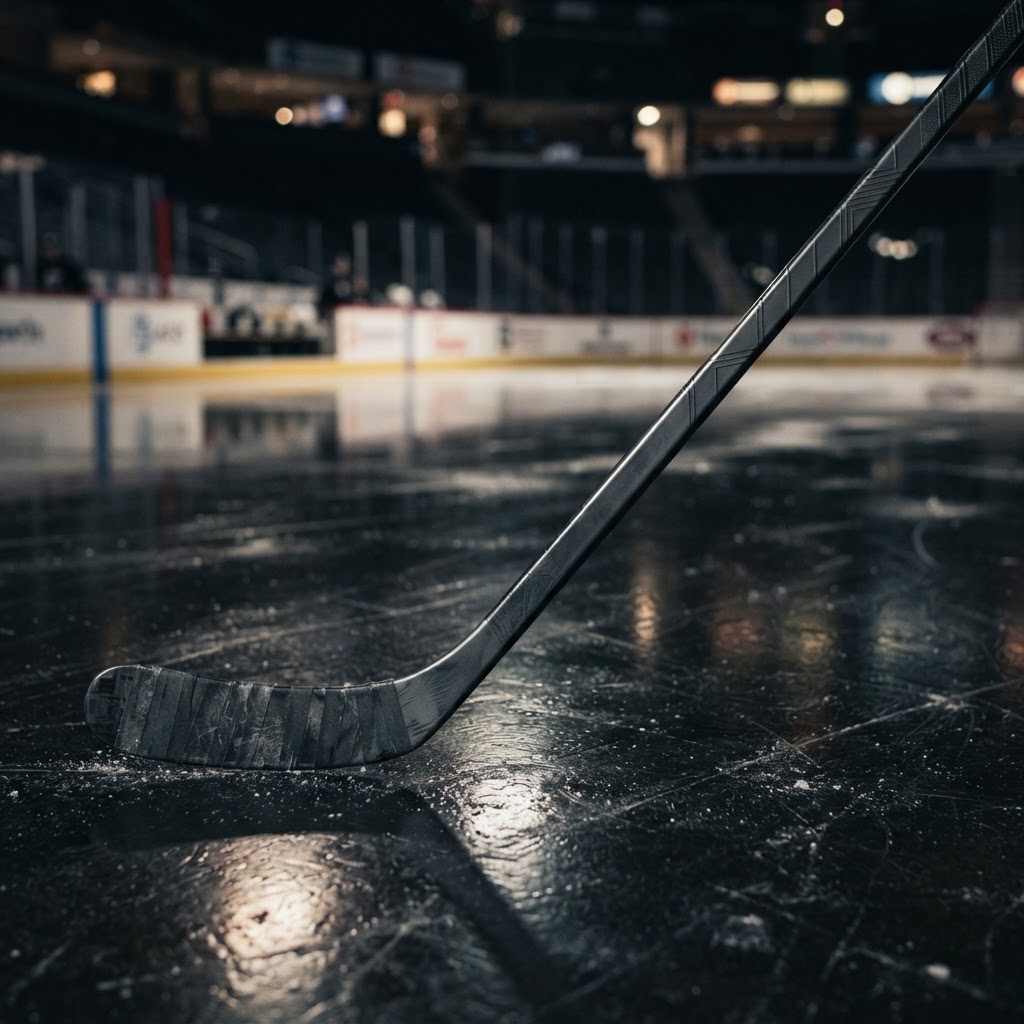
Flex is a rating of how much force is needed to bend the shaft. A lower number generally bends more easily; a higher number feels stiffer. The familiar “half your body weight” guideline is only a rough starting estimate. Strength, release style, age, and the way you load the shaft all affect what feels right.
If you struggle to load your current stick on wrist shots, consider trying a lower flex. If the shaft feels unstable or over-bends during your release, test a higher one. Do not jump several flex ratings at once. Compare nearby options and take several shots with each. Youth and intermediate sticks can suit players who need a shorter shaft or lighter, easier-to-load option, regardless of age labels.
Kick point: where the stick loads
Low-kick sticks are designed to load and release quickly, which can suit snap shots and players who shoot in tight. Mid-kick designs typically load farther down the shaft and may appeal to players who take more full, sweeping shots. Hybrid or variable designs aim to balance these feels. Marketing terms differ between brands, so use the kick point as a clue, then test the stick if you can.
Pick a blade curve and lie you can control
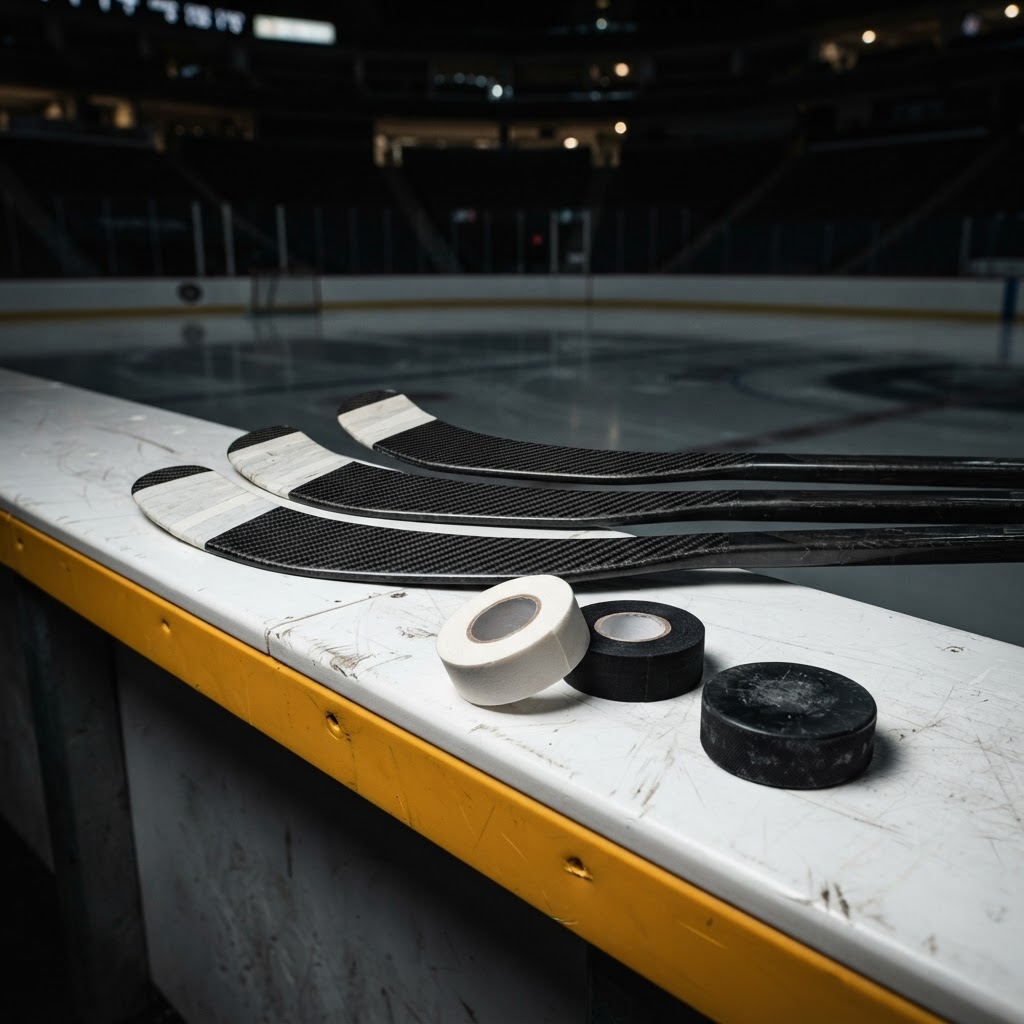
Blade patterns differ in curve depth, toe shape, and lie. A more open face can help lift the puck, while a less open face can make it easier to keep shots low. A toe curve may help with toe drags and quick releases; a more neutral curve can feel predictable for passing and receiving. Lie describes how the blade sits on the ice when you are in your normal stance. If the heel or toe consistently lifts, try a different lie or stick length.
There is no universal “best” curve. If you are changing patterns, change one variable at a time and give yourself a few sessions to adjust. A familiar curve that supports accurate passes is often a better choice than a trendy pattern you cannot control.
Weight, construction, and price
Higher-end sticks often use lighter materials and more advanced construction, but durability and feel vary by model and player. A mid-priced stick can be a sensible choice for a newer player, a recreational league, or anyone still figuring out preferred flex and curve. For frequent players, compare warranty terms and replacement cost as well as listed weight. A stick that feels good in your hands and survives your normal use is better value than one bought for a specification alone.
Quick pre-purchase checklist
- Check the flex and length together, since cutting changes the feel.
- Confirm the stick is for your shooting hand and intended player size.
- Try the blade lie and curve in your skating stance.
- Compare weight, warranty, and replacement budget.
- Make one change at a time when moving from a familiar stick.
Useful stick-bag basics
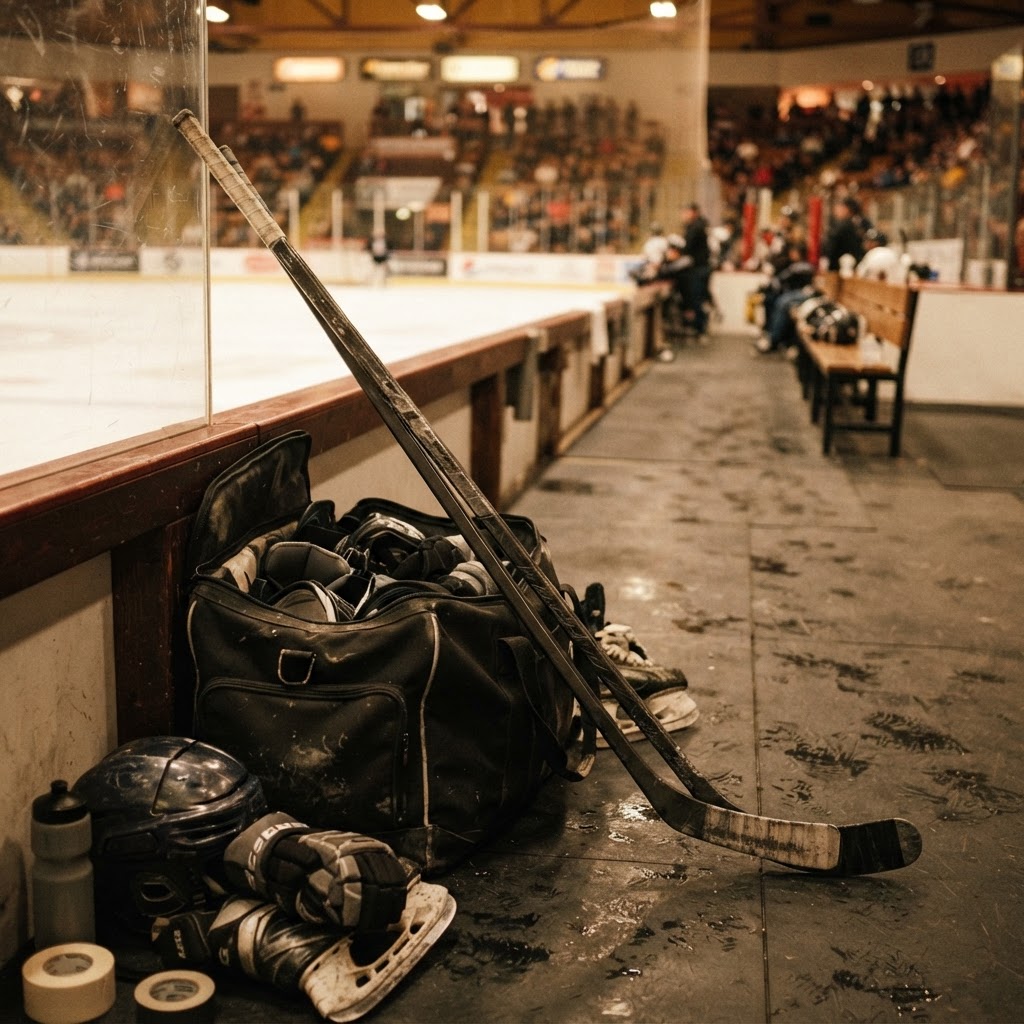
Small accessories help keep a stick game-ready. Tape protects the blade and lets you tune puck feel; wax can reduce snow buildup on the tape. Keep a spare end plug or extension only if it fits your stick, and bring a couple of pucks for practice. These inexpensive supplies will not replace a good fit, but they make routine maintenance easier.
- Senior composite hockey sticks
- Intermediate hockey sticks
- Hockey stick tape
- Hockey pucks
- Hockey stick blade wax
- Hockey stick end plugs
Bottom line
Choose length and flex first, then refine kick point and blade pattern around your position and shooting habits. Test before cutting, avoid changing several specifications at once, and prioritize control over hype. The best hockey stick is the one you can load comfortably and use confidently for passes, puck handling, and shots.
Affiliate disclosure: This article contains affiliate links. As an Amazon Associate, the site may earn from qualifying purchases at no additional cost to you. Product availability and prices can change, so check current listings before buying.
Leave a Reply