
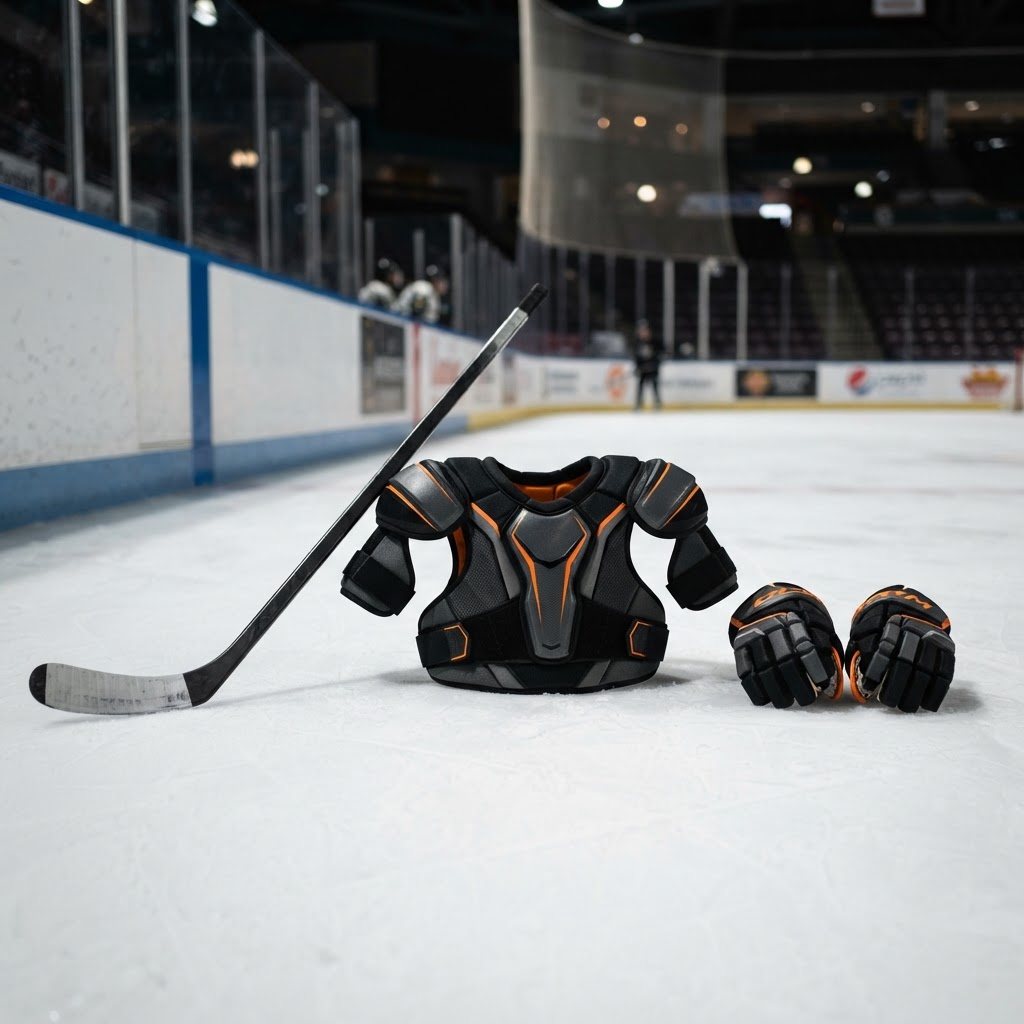
The right shoulder pads should protect you without making you feel like you’re wearing a suit of armor. For beginners, that means comfortable coverage and a secure fit. For experienced players, it means enough protection for the level of contact you face without sacrificing mobility. This 2026 guide explains what to look for, how shoulder pads should fit, and where to spend your money.
What Shoulder Pads Actually Protect
Hockey shoulder pads protect more than your shoulders. A well-designed set covers the collarbone, sternum, upper ribs, spine and upper arms while still letting you rotate your torso and reach for the puck. Protection matters most when it stays in position after a collision, so a good fit is more important than a long feature list.
Look for three core pieces: a shoulder cap that stays centered, a chest and back panel that does not ride up, and adjustable biceps that cover the upper arm without restricting your elbow pads. If any of those pieces shifts when you raise your arms, try another size or model.
Beginner Shoulder Pads: Comfort First
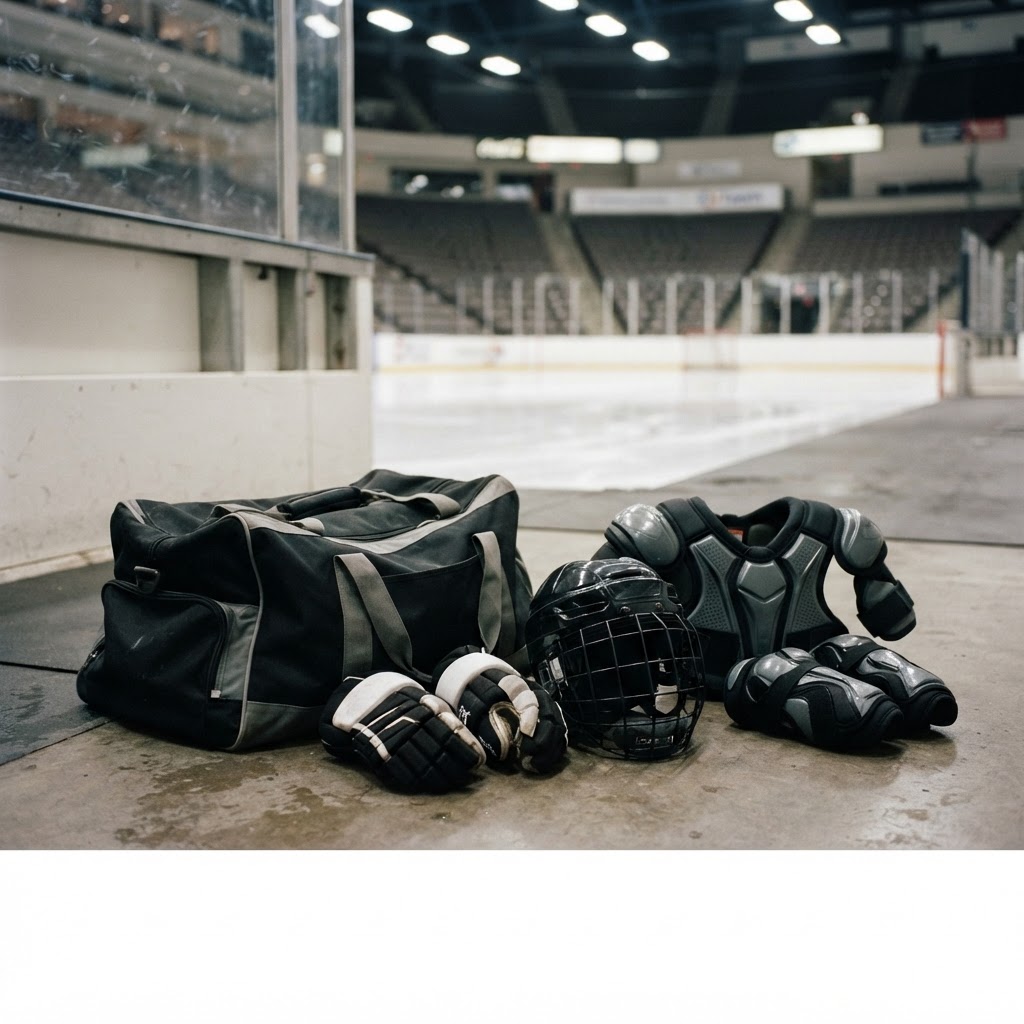
New players usually benefit from a lighter, flexible shoulder pad. You are learning to skate, turn and handle the puck, and overly bulky gear can make those movements feel awkward. A quality beginner shoulder pad should have enough sternum and spine coverage for recreational play, comfortable liner material, and simple adjustments you can manage without help.
Do not buy a larger size so a child or new player can grow into it. Excess space creates gaps, and gaps are exactly where protection is lost. If you are between sizes, compare the manufacturer’s measurements and prioritize a snug chest fit over sleeve length.
Intermediate and Competitive Players
Players skating several times per week or playing in a competitive league may want a stiffer, more anatomical design. Premium models generally use molded foams and segmented panels to keep protection close to the body while reducing bulk. The best intermediate shoulder pads let you lean into contact and still move your arms naturally.
Pay particular attention to the connection between the shoulder pad and elbow pad. When you are in a skating stance, there should be no exposed strip between the bicep protection and the top of the elbow pad. Some players prefer a longer bicep guard, while others choose a shorter cut for maximum freedom of movement.
How Shoulder Pads Should Fit
- Put on the base layer you normally wear under your gear.
- Center the shoulder caps over the ends of your shoulders. They should not sit on your upper arm.
- Bend forward, reach both arms out, and rotate your torso. The chest and back panels should stay in place.
- Check the collarbone area. It should be covered without pressing painfully into your neck.
- Put on your elbow pads and gloves. Your bicep guard should overlap the elbow pad slightly, not leave a gap.
A useful hockey compression base layer can improve comfort and help keep the pads from sliding, especially during long practices.
Protection Versus Mobility
More protection is not automatically better protection. Heavy pads can become hot and restrictive, causing players to loosen straps or shift the gear during a game. Choose the protection level that matches your league and playing style, then make sure the pad stays tight against your body.
For casual public sessions, lightweight coverage may be enough. For organized league play, prioritize molded sternum and spine protection, secure shoulder caps and adjustable biceps. Players who block shots or regularly play in traffic should lean toward more coverage in the chest and back.
Care and Maintenance
Shoulder pads absorb sweat every time you skate. Hang them in an open, ventilated space after every session and let them dry completely before putting them back in your bag. A washable hockey gear deodorizer can help, but it does not replace drying the equipment.
Once or twice a season, inspect the straps, Velcro and molded foam for damage. Clean removable liners according to the manufacturer’s directions. Never leave wet gear sealed in a closed bag overnight. That is how odors, mildew and premature breakdown start.
What to Spend in 2026
- New or occasional player: $60–120. Focus on fit, basic coverage and comfort.
- Regular recreational player: $120–220. Look for better molded foam and more adjustable biceps.
- Competitive player: $220–350. Pay for a close anatomical fit, lighter materials and improved impact coverage.
Used gear can be a smart option, but inspect it in person. Avoid pads with cracked plastic, compressed foam, broken straps or a strong mildew smell. If you are buying online, measure your chest and compare the exact manufacturer’s size chart before ordering.
Final Recommendation
For most players, the sweet spot is a mid-range shoulder pad that fits close, overlaps cleanly with the elbow pads and provides molded chest and back protection. Spend less on flashy extras and more on the fit. The best shoulder pads are the ones you forget about while skating, right up until they do their job.
Recommended Hockey Gear
- Beginner hockey shoulder pads
- Intermediate hockey shoulder pads
- Hockey elbow pads
- Hockey compression base layer
- Hockey gear deodorizer
Disclosure: As an Amazon Associate, BigCarl’s Hockey earns from qualifying purchases made through the links on this page at no extra cost to you.
Leave a Reply