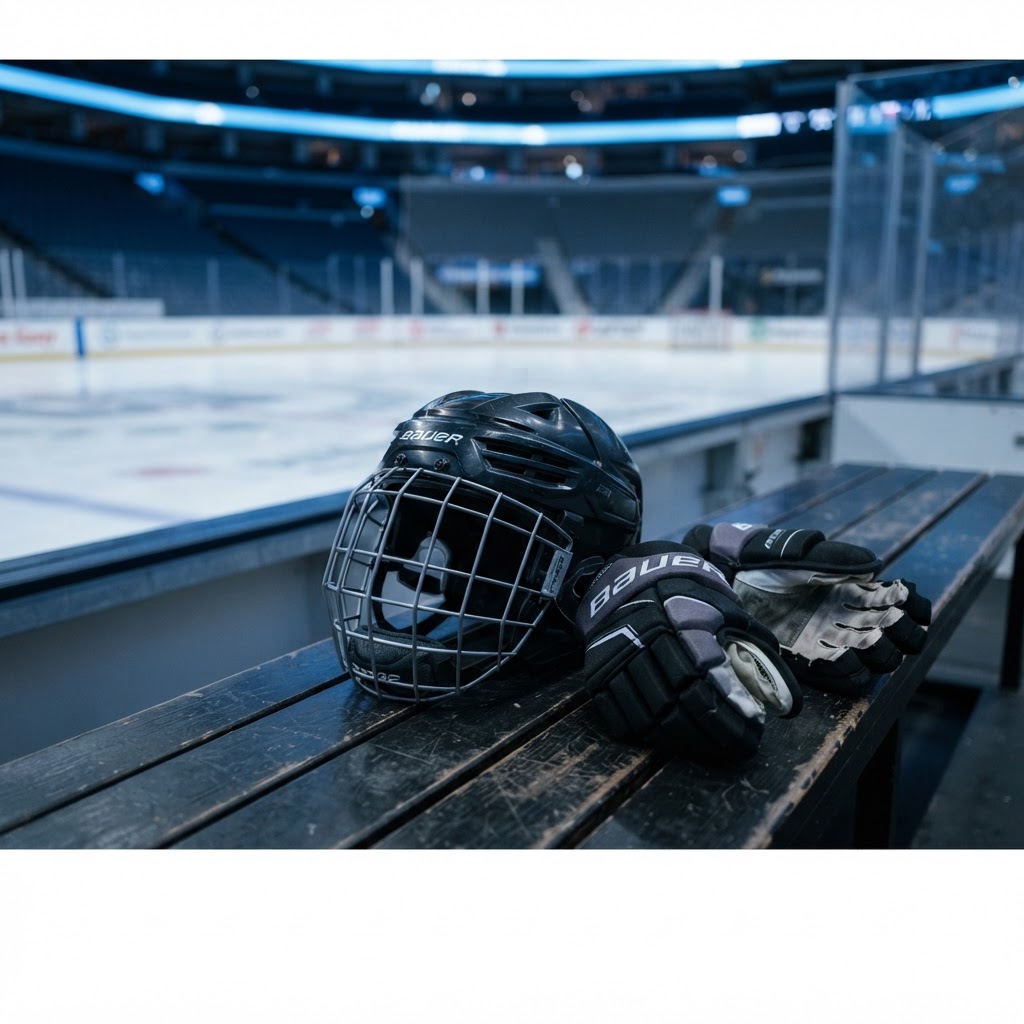
Your helmet is the one piece of hockey equipment where “good enough” is not a useful buying strategy. A helmet should fit securely, stay comfortable through a full game, and work with the face protection you actually plan to wear. This 2026 guide explains what to look for without getting lost in marketing jargon.
Start With Fit, Not Features
A helmet should feel snug all the way around your head without creating pressure points. It should not slide when you shake your head, and the front edge should sit just above your eyebrows. If you can fit several fingers between the helmet and your head, it is too loose.
Most current helmets have a tool-free adjustment system. Open it fully, place it on your head, then tighten it until the shell stays put without a headache. Recheck the fit after adding a cage or visor because the added weight can expose a loose fit.
Helmet Types: Recreational, Competition, and Premium
Entry-level helmets are perfectly reasonable for casual skating and beginner leagues if they fit correctly. Mid-range models usually add better ventilation, more comfortable liner materials, and a wider adjustment range. Premium models may be lighter and more refined, but a premium helmet that fits badly is still the wrong helmet.
Look for a helmet certified by the safety standards required by your league and country. Certification is a baseline, not a guarantee against injury, so replace a helmet after a significant impact and follow the manufacturer’s replacement guidance.
Choosing a Cage, Visor, or Full Shield
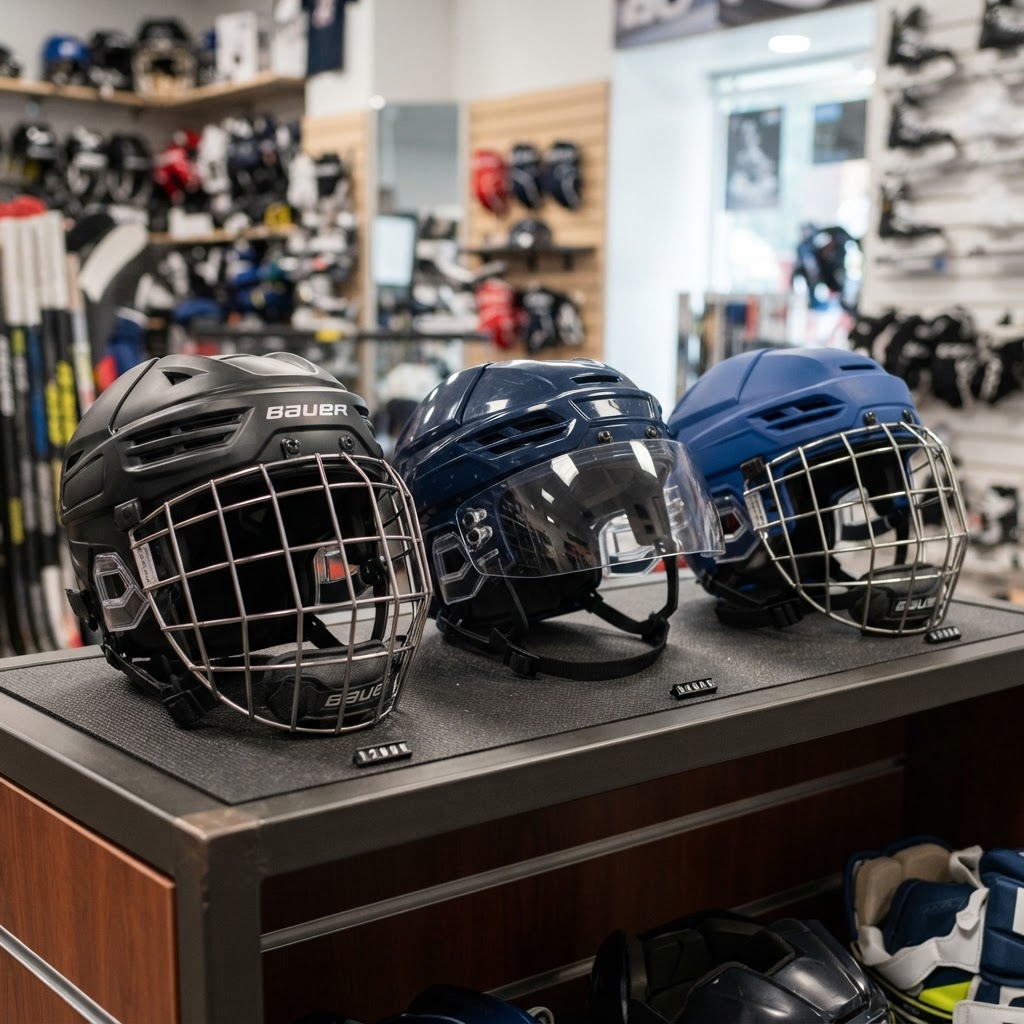
A full cage provides the most complete facial coverage and is the straightforward choice for youth players and anyone who wants maximum protection. A visor offers a wider, unobstructed field of view but leaves the lower face exposed. A full shield covers more of the face and can be a strong option for adult players who prefer that style.
Whatever you choose, make sure it is approved for your league, attaches firmly, and does not interfere with your sight line. Keep a spare set of visor-safe cleaning supplies in your bag; scratches and fogging become safety issues when they block your view.
Comfort Features That Actually Matter
- Ventilation: Useful for reducing heat and moisture during long sessions.
- Adjustability: Lets you maintain a secure fit if you wear a thin skull cap or change hairstyles.
- Removable liners: Easier to clean and replace than permanently attached padding.
- Weight: Worth considering, but never at the expense of fit or certified protection.
A washable replacement helmet liner can extend the useful life of a shell that still fits and has not been involved in a major impact.
Helmet Maintenance and Replacement
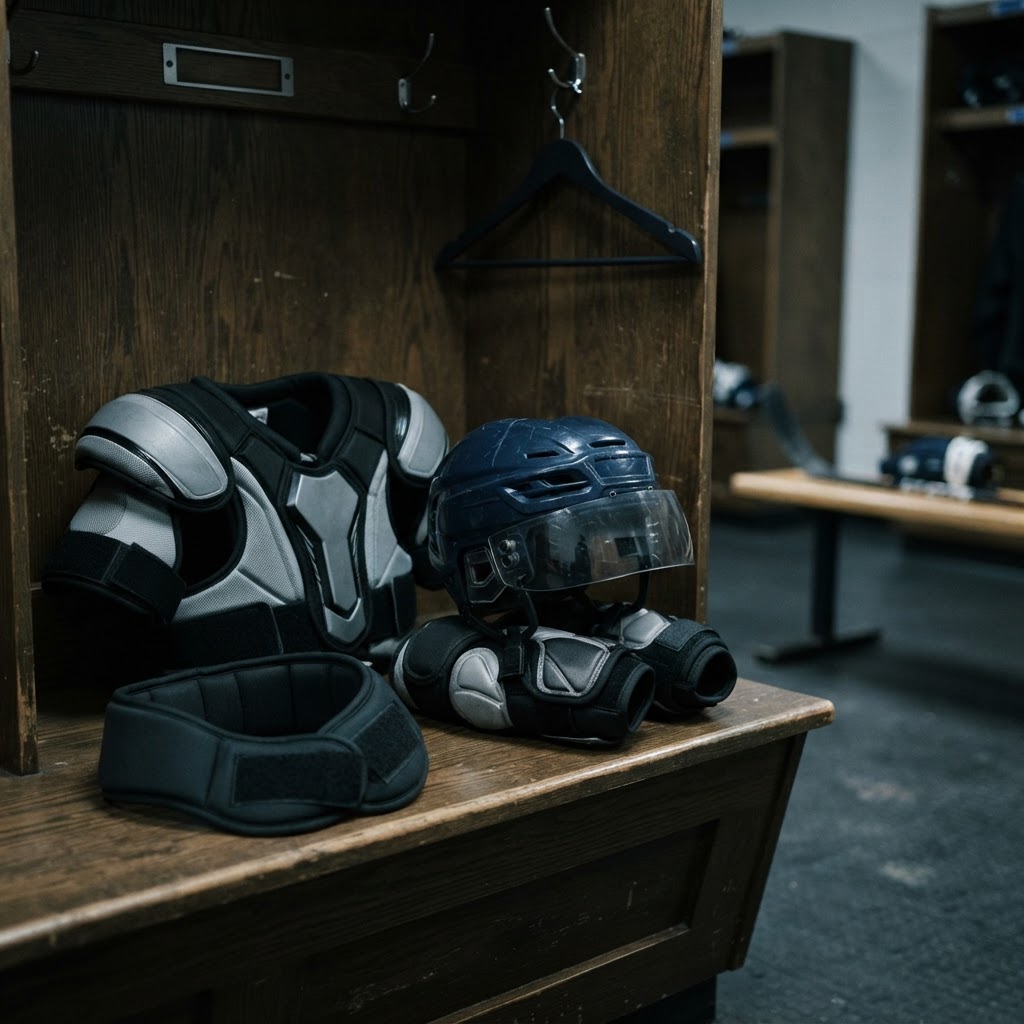
Wipe the shell and face protection after each session, let the liner air-dry, and avoid harsh solvents or high heat. Do not leave the helmet sealed in a damp hockey bag. A simple sports-equipment deodorizer helps with odor, but it does not replace drying the padding properly.
Replace the helmet if it has taken a significant impact, if the shell is cracked, if the adjustment mechanism no longer holds, or if the padding has compressed and cannot maintain a secure fit. Helmets also age through normal wear; check the manufacturer’s recommended service life rather than waiting for visible damage.
What to Budget in 2026
- Beginner helmet and cage: approximately $80–150.
- Mid-range helmet setup: approximately $150–250.
- Premium helmet with face protection: often $250 and up.
- Useful extras: spare screws, a cage strap, visor cleaner, and a breathable helmet bag.
Include the cage or visor in your budget. Buying a helmet shell first and adding incompatible face protection later is an avoidable headache.
Quick Fit Checklist
- Try the helmet on with the face protection attached.
- Tighten the adjustment system until the shell stays stable but does not hurt.
- Check that the front edge sits just above your eyebrows.
- Look side to side and up and down for a clear field of view.
- Ask a knowledgeable shop employee to check the fit before you buy.
For accessories, consider a ventilated helmet bag and replacement chin straps so your setup stays clean, secure, and ready for the next skate.
Final Take
Buy the helmet that fits your head, meets your league’s requirements, and works with your chosen face protection. Comfort and adjustability matter because a helmet only helps when it stays in the right place for the entire session. Spend less time chasing the fanciest feature and more time getting the fit checked properly.
Disclosure: As an Amazon Associate, BigCarl’s Hockey earns from qualifying purchases made through links on this page at no extra cost to you.
Leave a Reply