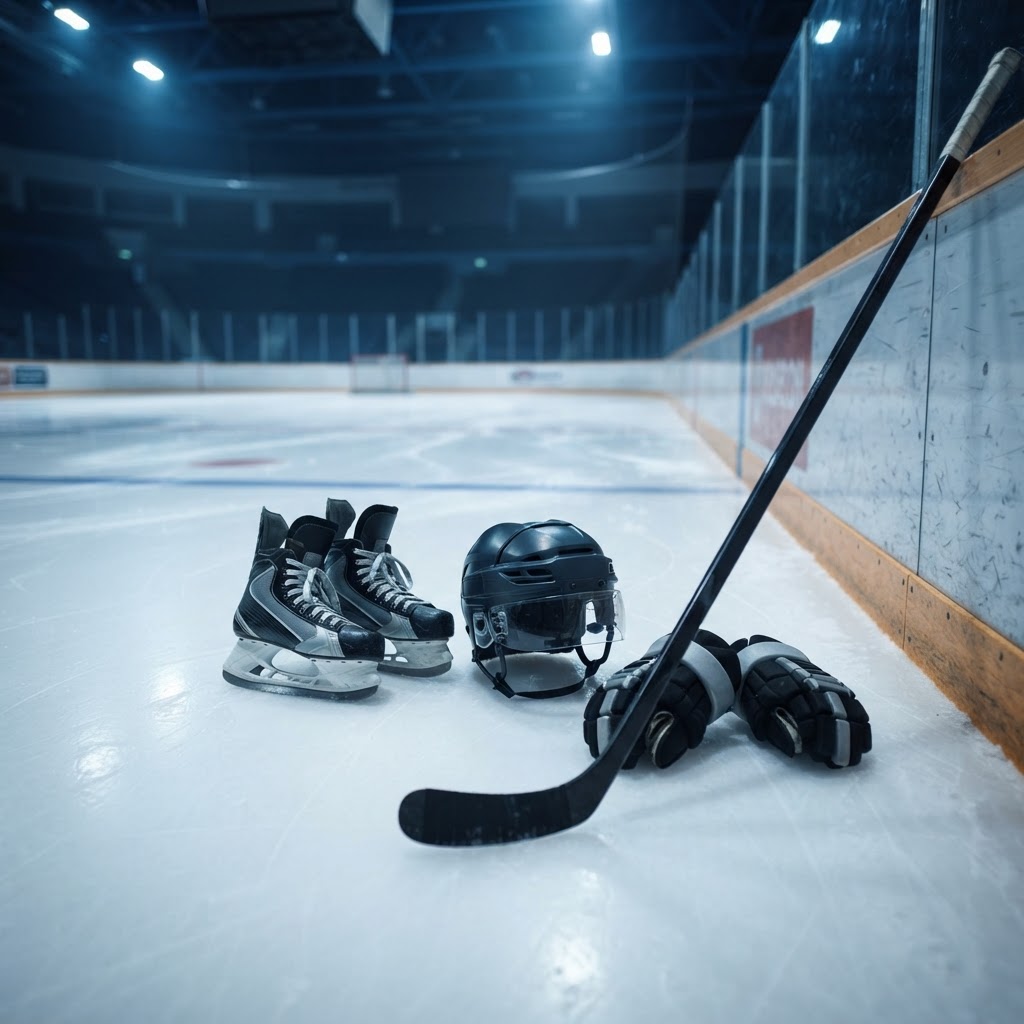
Choosing hockey equipment can feel like a lot. This practical hockey gear buying guide breaks down the essentials so you can spend money where it matters and avoid common beginner mistakes.
Quick answer: prioritize properly fitted skates, a certified helmet, comfortable gloves, and protection that does not restrict movement. A premium stick is nice, but it comes after the gear that keeps you safe and lets you skate confidently.
1. Start with the right hockey skates
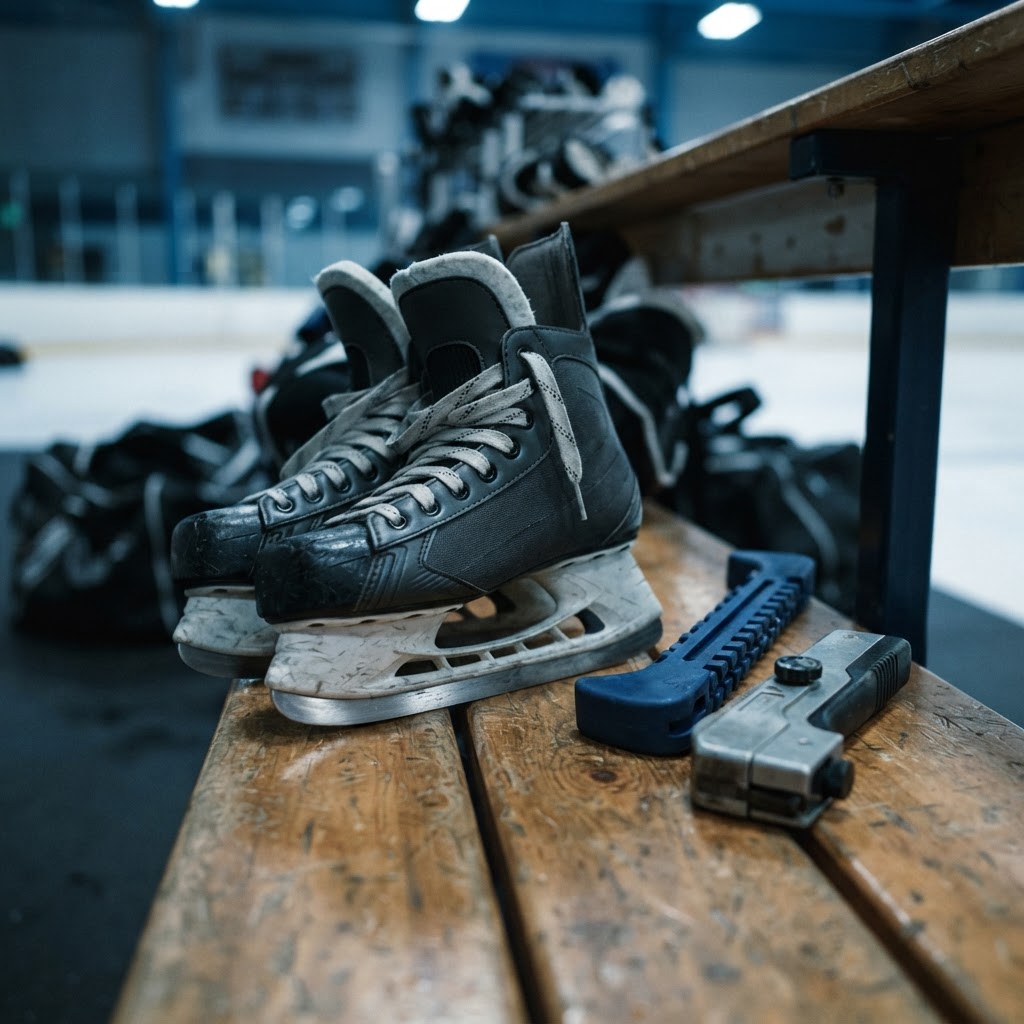
Skates are the foundation of your game. They should feel snug around the heel and midfoot without sharp pressure points. Look for heat-moldable boots, a supportive ankle, and replaceable runners. Compare ice hockey skate options, but do not choose by size alone. Hockey skates often fit differently from regular shoes, so an in-person fitting is worth the trip.
2. Protect your head first
Look for a current safety certification, a secure adjustment system, and a cage or shield that stays in position when you move. Replace a helmet after a major impact or when the fit system no longer holds firmly. Browse hockey helmets and cages, then follow the manufacturer sizing instructions carefully.
3. Build a protective equipment system
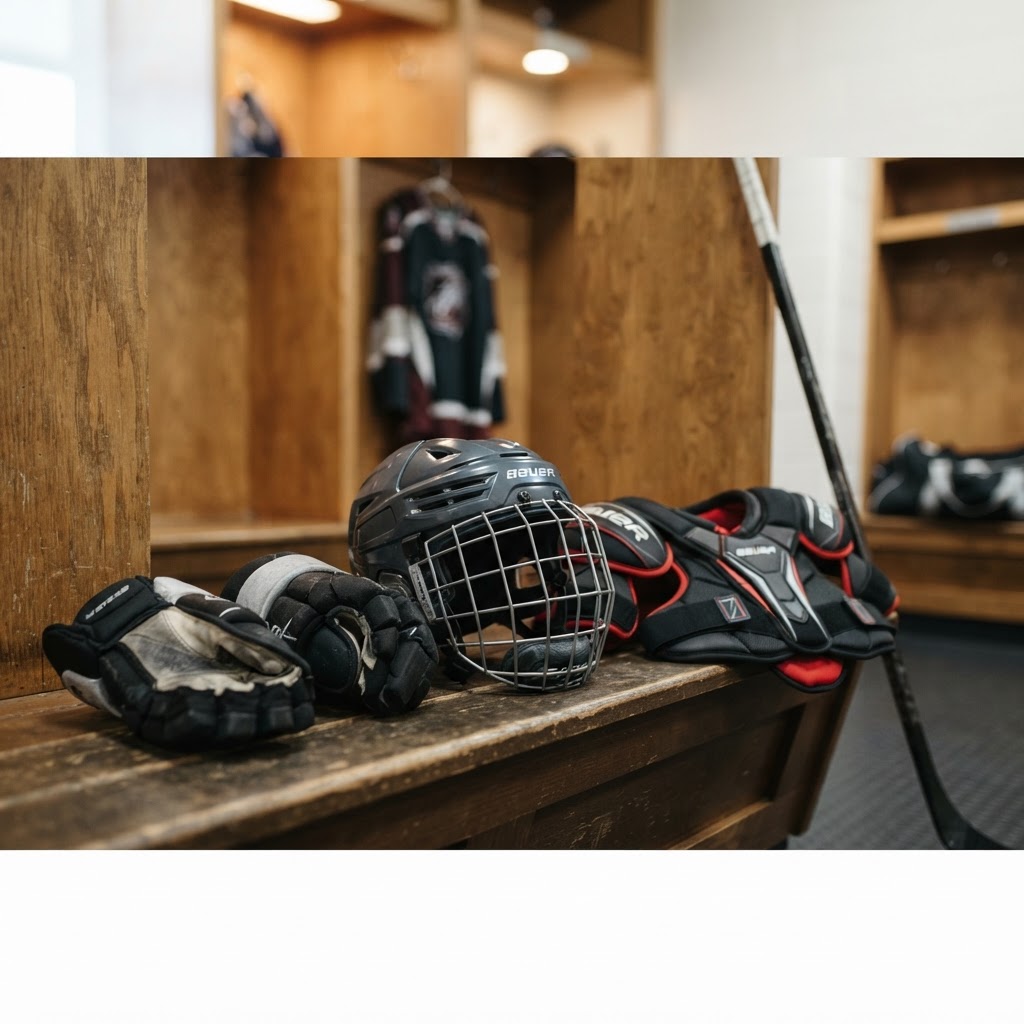
Shoulder pads, elbow pads, pants, shin guards, and a protective cup should work together. You should be able to squat, rotate your shoulders, and raise your arms without pieces shifting or leaving large gaps.
- Shoulder pads: cover the collarbone and upper chest without riding up.
- Elbow pads: keep the bicep and forearm sections aligned when you bend.
- Hockey pants: stay secure while covering the hips and kidneys.
- Shin guards: center the knee cap and overlap your skate tongue.
Compare shoulder pads, elbow pads, and shin guards together so sizing works as a system.
4. Choose gloves for mobility
Gloves should feel secure at the wrist while leaving enough room to grip naturally. Compare ice hockey gloves by fit, palm material, cuff length, and ventilation. For younger players, comfort and easy hand movement usually matter more than advanced materials.
5. Pick a stick you can handle
Stick flex should match your strength and playing style. Many beginners do better with a lower flex they can load consistently. The correct length usually puts the blade around the top of the skate when standing in skates. Compare ice hockey sticks by hand orientation, curve, and flex.
6. Do not forget rink-day essentials
Hockey socks, tape, skate guards, a mouthguard, a gear bag, and a long-nozzle water bottle make every rink visit easier. A ventilated hockey gear bag helps wet equipment dry instead of staying sealed up.
Simple hockey equipment checklist
- Skates and skate guards
- Certified helmet with cage or shield
- Shoulder, elbow, and shin protection
- Hockey pants, gloves, socks, and protective cup
- Stick, tape, mouthguard, and gear bag
Final buying advice
Fit beats hype. If you are shopping for a child, measure again before ordering because growth can change sizing quickly. For adult gear, prioritize comfort and range of motion so you will actually enjoy wearing it for practices and games.
Affiliate disclosure: BigCarl’s Hockey may earn a commission when you purchase through links in this article, at no additional cost to you. Product availability and prices can change.