
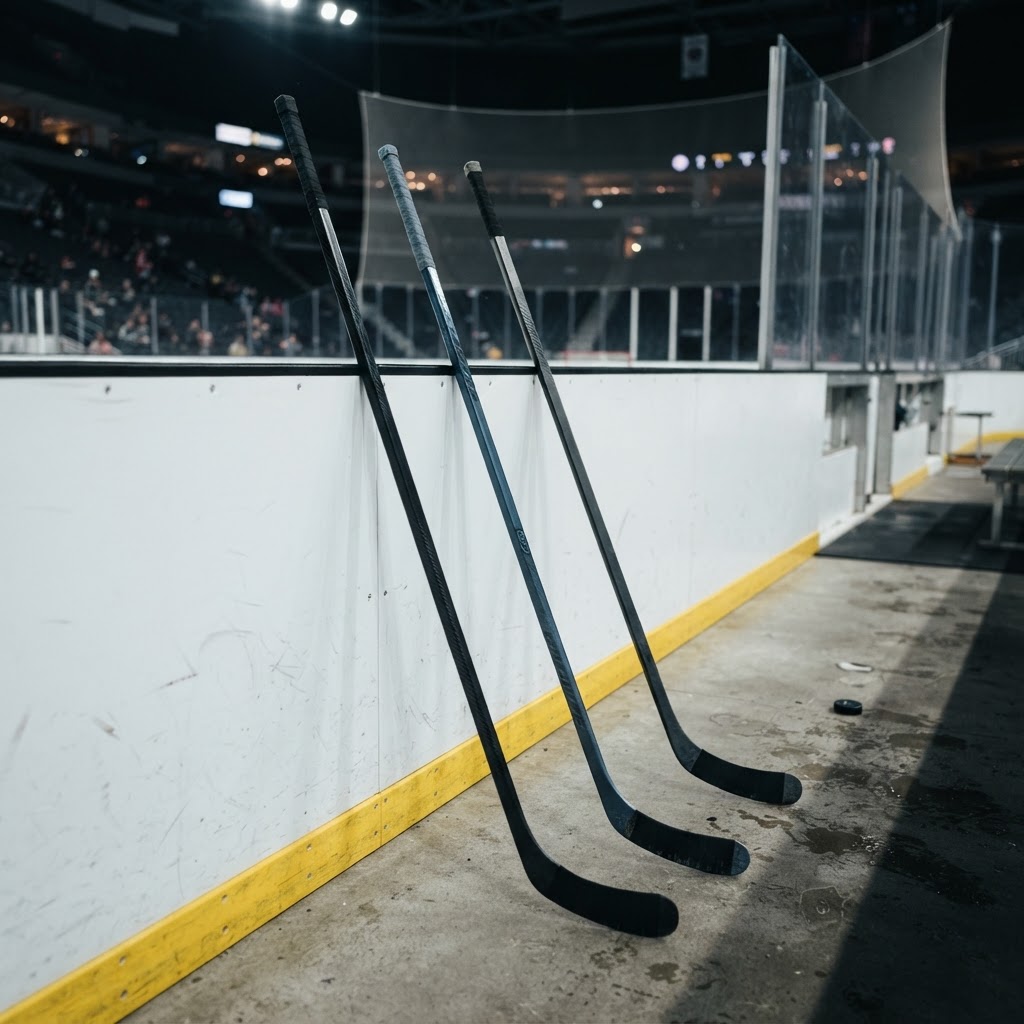
Choosing a hockey stick is less about buying the most expensive model and more about matching the stick to your height, strength, position, shooting style, and budget. The right flex and curve can make passing feel easier, improve shot release, and help you control the puck with less effort.
In this guide, we explain what to look for in 2026 and point you toward dependable options for youth players, beginners, adult recreational players, and shoppers who want a reasonable price. Prices and availability can change, so use the links to check the current listing.
Affiliate disclosure: Big Carl’s Hockey participates in the Amazon Associates Program. If you purchase through links on this page, we may earn a commission at no additional cost to you.
Quick picks: hockey sticks worth comparing
- Best starting point for youth players: youth composite hockey sticks
- Best all-around adult starting point: intermediate or senior 75-flex sticks
- Best for a quick release: low-kick-point sticks
- Best for heavier shots: mid-kick-point sticks
- Best budget category: entry-level composite sticks
- Useful add-on: grip tape and blade tape
Best hockey sticks for youth players
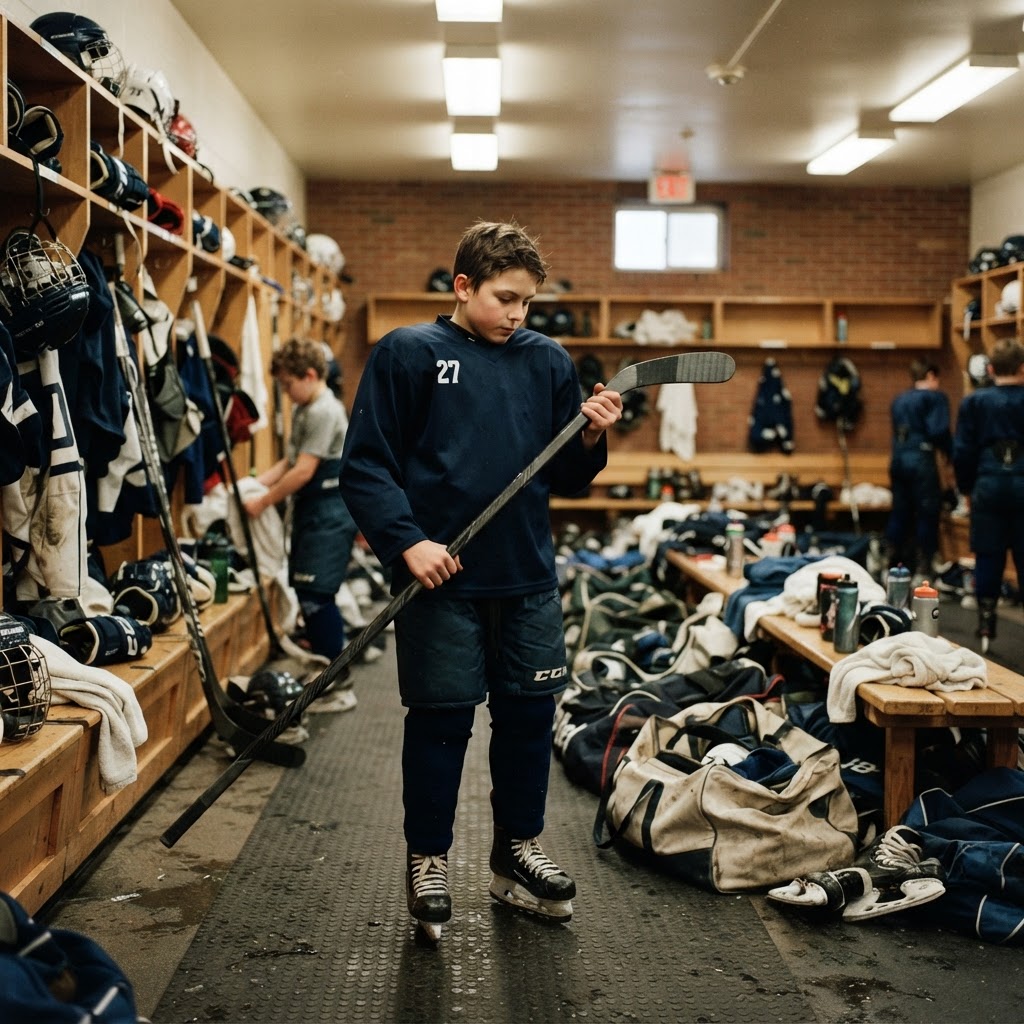
Youth players generally benefit from a lighter stick that is easy to load and comfortable to handle. A stick that is too stiff can make shooting frustrating because the player cannot flex it effectively. Start with the manufacturer’s height and weight chart, then pay attention to the actual feel in the player’s hands.
For growing players, avoid cutting a large amount from the shaft just to make it fit. Cutting changes the flex and can make the stick feel stiffer. A properly sized youth composite stick is usually the better choice, especially for players practicing puck control and shooting regularly.
Compare youth composite hockey sticks on Amazon.
Stick flex: the number that matters most
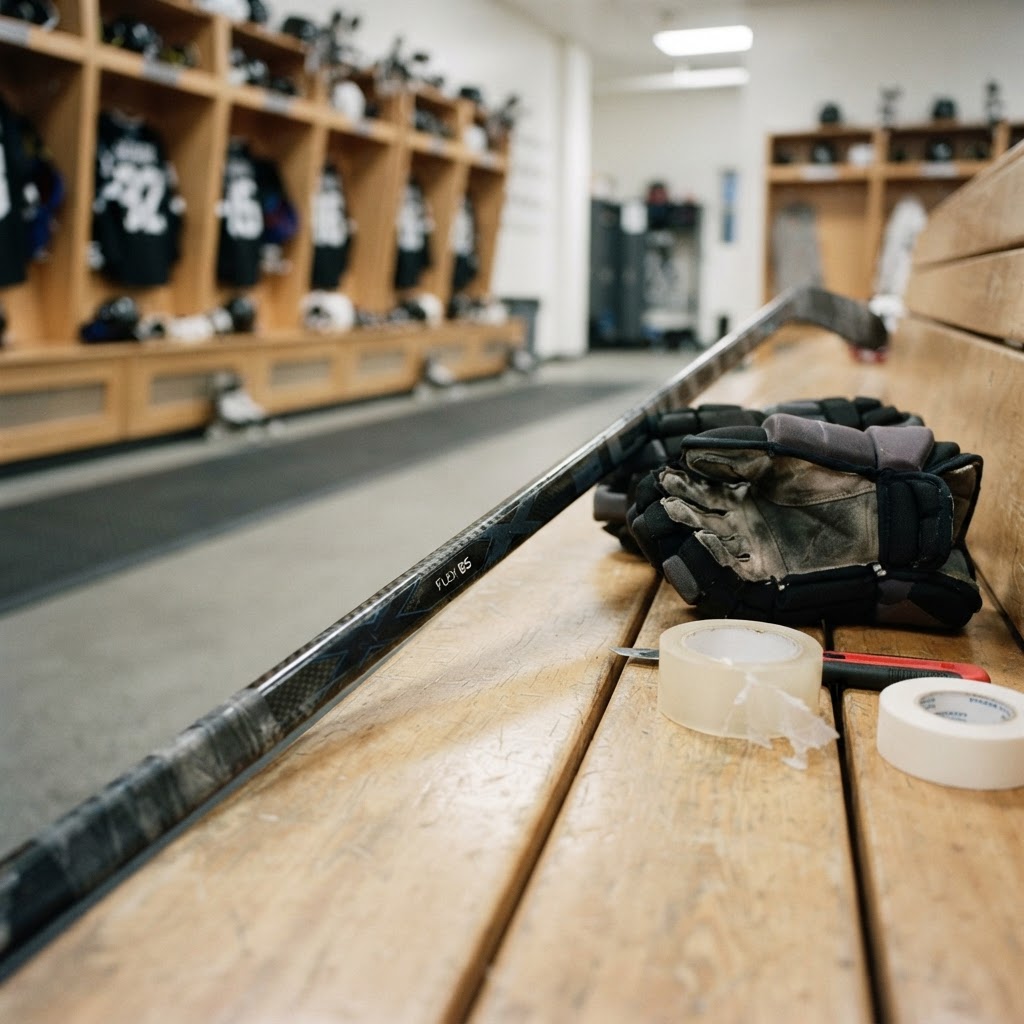
Flex is a measurement of how much the shaft bends under load. As a simple starting estimate, many players use a flex near half their body weight, but that is only a starting point. Smaller or less powerful players often prefer a lower flex, while stronger players may prefer a higher one.
- Lower flex: easier to load, often helpful for youth players and quick-release shooters.
- Medium flex: a versatile choice for many adult recreational players.
- Higher flex: can suit stronger players who take powerful slap shots or prefer a firmer feel.
Remember that cutting the shaft makes the stick play stiffer. If you are between sizes, compare the uncut length and the finished flex before ordering.
Low kick point vs. mid kick point
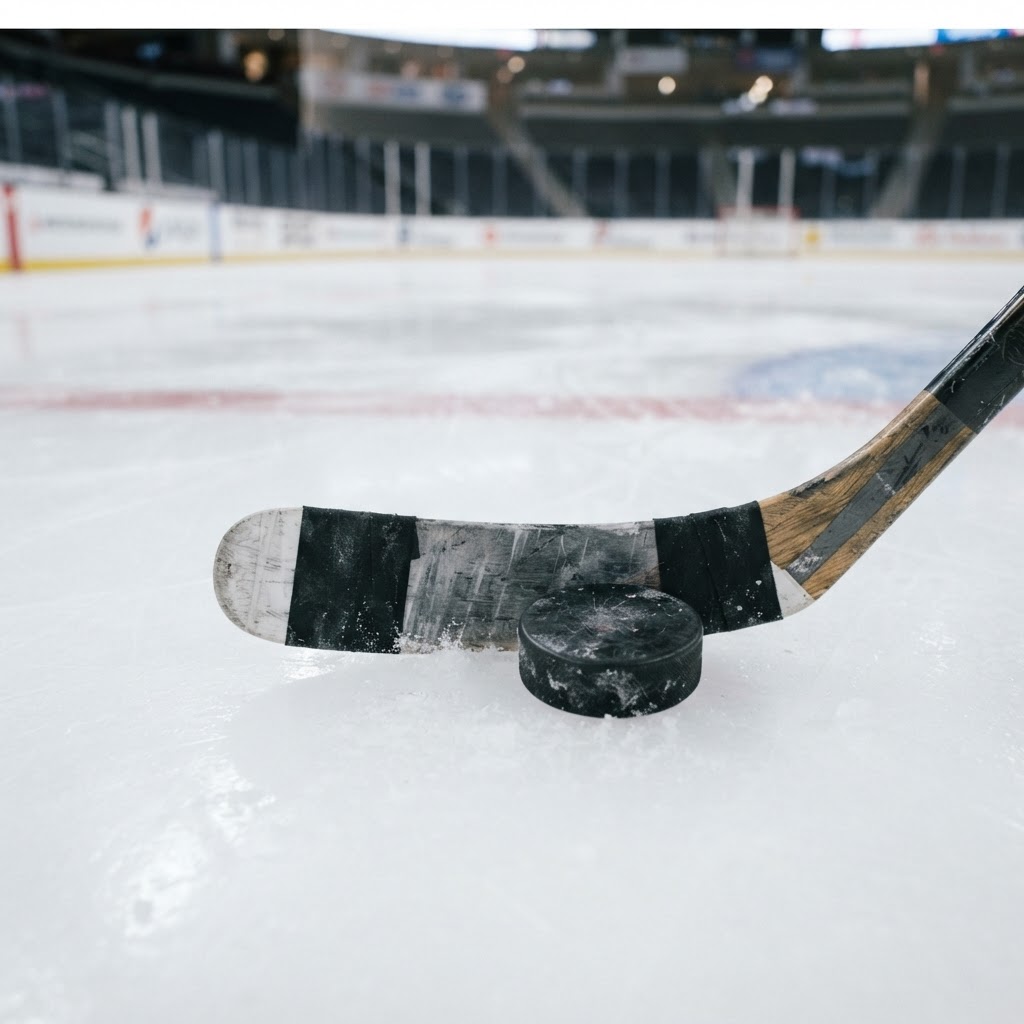
The kick point describes where the shaft loads when you shoot. Low-kick sticks are designed to release the puck quickly, which can be useful for snapshots, quick chances around the net, and players who shoot in motion.
Mid-kick sticks load farther up the shaft and often provide a stable, powerful feel. They are popular with players who take longer shots, use a heavier release, or want a stick that feels consistent for passing and shooting.
Neither design is universally better. If you score mostly from quick chances, start by comparing low-kick senior sticks. If you rely on distance and power, compare mid-kick senior sticks.
Curve, lie, and blade pattern
The curve affects how the puck sits on the blade and how easily you can lift it. A moderate open curve is a friendly all-around choice, while a more open face can help elevate shots but may require more attention to blade control.
Lie is the angle between the shaft and blade when the stick is on the ice. Your skating posture and where you carry the puck matter more than the number alone. When possible, compare the pattern you already like rather than switching curve, lie, kick point, and flex all at once.
Best hockey sticks for adult recreational players

For beer-league and recreational players, durability and comfort usually matter more than chasing the lightest professional-level stick. A mid-priced composite stick with a familiar curve and a manageable flex is often the best value.
Before buying, measure your current stick and note what you like and dislike: Is the shaft too stiff? Does the blade feel too open? Do you want a faster release? Those observations are more useful than a marketing label. If you are replacing a broken stick frequently, stepping down one price tier and keeping a spare may be smarter than buying the most expensive model.
Compare adult recreational composite sticks.
Composite vs. wood hockey sticks
Composite sticks are lighter and offer more consistent flex, which is why they dominate competitive hockey. Wood sticks remain affordable and can be a perfectly reasonable choice for casual shooting, outdoor rinks, or players who prefer a traditional feel.
For a first stick, choose based on how often you play. Occasional players may get excellent value from an entry-level composite or wood stick, while frequent players will usually appreciate the lighter handling and predictable response of composite construction.
What else should you buy?
Keep a roll of blade tape and grip tape in your bag, and consider a basic stick wax if you play often. Tape protects the blade and can fine-tune puck feel, while grip tape helps prevent your lower hand from sliding during shots. A simple hockey tape kit is inexpensive insurance.
Final buying checklist
- Choose the correct length before worrying about brand.
- Select a flex you can comfortably load.
- Match the curve and lie to a pattern you already control.
- Pick low kick for quick release or mid kick for a more loaded, powerful feel.
- Compare the total cost, including a spare and tape.
The best hockey stick is the one that fits your body and makes your normal shooting and passing motion feel repeatable. Start with familiar specifications, make one change at a time, and use the product links above to compare current prices and availability.